Reduce Muscle Tension Through Mobility & Stretching

Updated: May 19
Muscle tension is a common issue that many people face, whether due to stress, poor posture, or physical activity. It can lead to discomfort, pain, and even limit mobility. Fortunately, regular stretching techniques may help reduce feelings of muscle tightness and support overall well-being. In this blog post, we will explore various stretching techniques, their benefits, and how to incorporate them into your daily routine.

Understanding Muscle Tension
Muscle tension occurs when muscles remain contracted for extended periods. This can result from various factors, including:
Stress and Anxiety: Emotional stress can lead to physical tension in the body.
Poor Posture: Sitting or standing incorrectly can strain muscles.
Overuse: Repetitive movements or excessive exercise can cause muscle fatigue.
Inactivity: Lack of movement can lead to stiffness and tension.
Recognizing the signs of muscle tension is crucial. Common symptoms include tightness, discomfort, and reduced range of motion. By understanding these factors, you can take proactive steps to reduce feelings of muscle tightness through regular stretching.
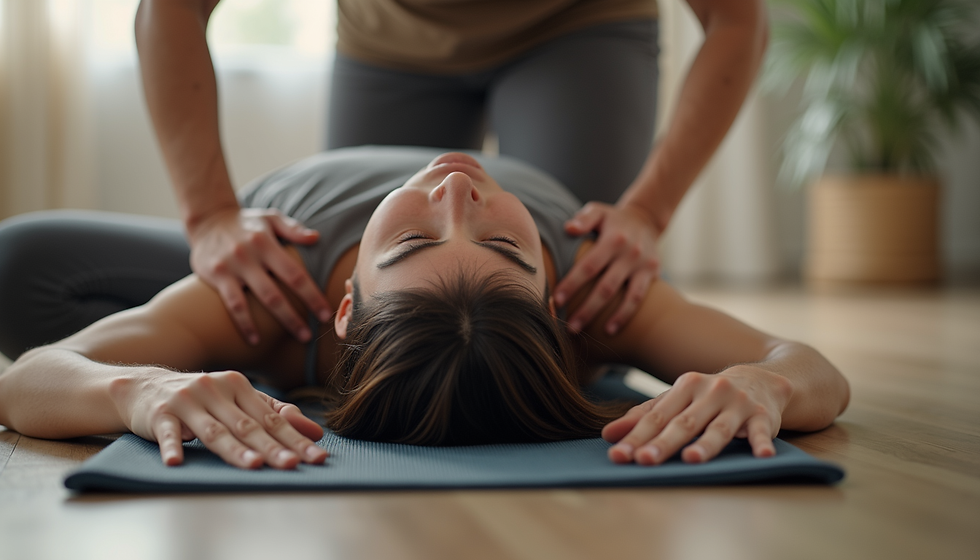
What is Assisted Stretching?
Stretching techniques can help improve flexibility, support better movement, and reduce feelings of muscle tightness. These stretching techniques focus on common tight areas and may help support relaxation and better movement. Stretching sessions can be done individually or in a group setting, making it accessible to everyone.
Benefits of Regular Stretching
Regular stretching may offer several benefits, including:
Increased Flexibility: Regular stretching improves the elasticity of muscles and tendons.
Reduced Muscle Tension: Stretching may help reduce feelings of tightness and improve comfort during movement.
Improved Posture: Regular stretching may help support better posture and movement.
Enhanced Circulation: Stretching may help improve circulation and support post-exercise relaxation.
Stress Relief: Regular stretching and mindful movement may help promote relaxation.
Stretching Techniques
Now that we understand the benefits, let's explore some effective stretching techniques that may help reduce feelings of tightness.
Static Stretching
Static stretching involves holding a stretch for a prolonged period, typically 15 to 60 seconds. This technique is effective for improving flexibility and reducing muscle tension. Here are a few examples:
Hamstring Stretch: Sit on the floor with one leg extended and the other bent. Reach towards your toes on the extended leg, feeling the stretch in your hamstring.
Quadriceps Stretch: Stand on one leg and pull the other foot towards your glutes. Keep your knees together and feel the stretch in your quadriceps.
Dynamic Stretching
Dynamic stretching involves moving parts of your body through a full range of motion. This technique is often used as a warm-up before physical activity. Examples include:
Leg Swings: Stand next to a wall for support and swing one leg forward and backward. This helps loosen up the hip flexors and hamstrings.
Arm Circles: Extend your arms out to the sides and make small circles, gradually increasing the size. This warms up the shoulders and upper body.
Proprioceptive Neuromuscular Facilitation (PNF)
PNF stretching is a more advanced technique that combines stretching and contracting of the muscle group being targeted. It typically requires a partner but can be done solo with some modifications. Here’s how it works:
Stretch: Begin with a static stretch for 10-15 seconds.
Contract: Isometrically contract the muscle for 5-10 seconds while resisting against a partner or a wall.
Relax and Stretch Again: After the contraction, relax the muscle and stretch again, aiming for a deeper stretch.
Foam Rolling Techniques
Foam rolling techniques may help support mobility and reduce feelings of muscle tightness. Using foam rollers or massage balls can help target commonly tight areas such as the shoulders, back, glutes, and calves. Here are some simple techniques you can try:
Foam Rolling: Slowly roll over tight areas, pausing on tender spots for 20-30 seconds. This may help improve circulation and reduce feelings of tightness.
Massage Ball: Place a massage ball against a wall and lean into it, focusing on common tight areas like the shoulders or glutes.
Yoga and Pilates
Both yoga and Pilates incorporate stretching techniques that promote flexibility and reduce muscle tension. They also emphasize breath control and mindfulness, enhancing relaxation. Consider incorporating the following poses into your routine:
Child’s Pose: A gentle stretch for the back and hips that promotes relaxation.
Cat-Cow Stretch: A dynamic stretch that improves spinal flexibility and releases tension in the back.
Creating a Regular Stretching Routine
To effectively reduce muscle tension, it’s essential to create a consistent stretching routine. Here’s how to get started:
Step 1: Assess Your Needs
Identify areas of tension in your body. Are your shoulders tight from sitting at a desk? Do your hamstrings feel stiff from lack of movement? Understanding your body’s needs will help tailor your routine.
Step 2: Set a Schedule
Aim to incorporate regular stretching into your daily routine. Even 10-15 minutes a day can make a significant difference. Consider stretching:
In the morning to wake up your muscles.
During breaks at work to relieve tension.
Before bed to promote relaxation.
Step 3: Choose Your Techniques
Select a combination of static, dynamic, PNF, and foam rolling techniques that focus on areas where you commonly feel tightness. A balanced routine may include:
5 minutes of dynamic stretching as a warm-up.
10 minutes of static stretching focusing on tight areas.
5 minutes of foam rolling using a foam roller.
Step 4: Listen to Your Body
Pay attention to how your body responds to stretching. If you feel pain, ease off the stretch. Stretching should feel good and promote relaxation, not discomfort.
Step 5: Stay Consistent
Consistency is key to reducing muscle tension. Track your progress and adjust your routine as needed. Over time, you’ll notice improved flexibility and reduced tension.
Incorporating Stretching into Daily Life
Stretching can be easily incorporated into your daily routine. Here are some practical ways to incorporate stretching into your daily life:
Desk Stretches: Take short breaks throughout the day to stretch your neck, shoulders, and back. Simple stretches may help reduce feelings of tightness from prolonged sitting.
Post-Workout Routine: Always include stretching after workouts to support relaxation and help reduce stiffness.
Mindful Moments: Use moments of waiting (like in line or during a commute) to perform gentle stretches, keeping your muscles engaged.
Conclusion
Regular stretching can be a practical way to support flexibility, movement, and relaxation to enhance your overall well-being. By incorporating various stretching methods into your daily routine, you can improve flexibility, support better movement, and promote relaxation. Remember to listen to your body and stay consistent for the best results. Start today and experience the benefits of regular stretching and mobility work for yourself!

Comments