Benefits of Assisted Stretching for Mobility & Flexibility

Updated: May 21
In today’s fast-paced world, maintaining mobility and flexibility is more important than ever. Many people experience stiffness and reduced movement due to sedentary lifestyles, repetitive movements, or everyday physical stress. Assisted stretching services offer a wellness-focused approach that may help improve flexibility, support mobility, and reduce feelings of muscle tightness.
What is Assisted Stretching?
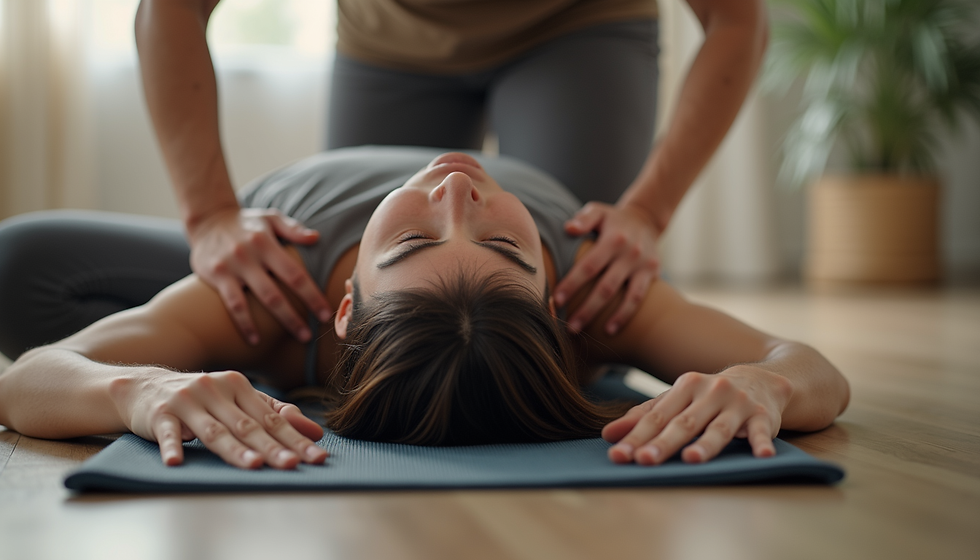
Assisted stretching involves a trained stretch coach guiding you through controlled stretches tailored to your body’s needs. Unlike stretching alone, assisted stretching allows your body to relax while being gently supported through different ranges of motion.
Sessions may help improve flexibility, support mobility, and reduce feelings of muscle tightness.
How Does Assisted Stretching Work?
During an assisted stretching session, the stretch coach will assess your mobility, flexibility, and areas of tightness. They will then guide you through a series of stretches, using guided support to help you move comfortably through each stretch. The process typically includes:
Warm-up: Gentle movements to prepare your muscles.
Targeted stretches: Focused stretches on specific muscle groups.
Cool down: Relaxation techniques to help your body recover.
Benefits of Assisted Stretching
Enhanced Flexibility
One of the primary benefits of assisted stretching is improved flexibility. Regular sessions can help lengthen tight muscles and increase your overall range of motion. This is particularly beneficial for athletes or anyone engaged in physical activities, as enhanced flexibility may support better movement and overall physical performance.
Reduced Muscle Tightness
Many people experience muscle tightness and everyday stiffness due to posture, stress, or physical activity. Assisted stretching may help reduce feelings of tightness by focusing on commonly tense areas of the body. For example, if you experience lower back pain, a practitioner can focus on stretching the hip flexors and hamstrings, which may contribute to restricted movement and everyday discomfort.
Improved Posture
Poor posture is a common problem in our modern society, often exacerbated by long hours spent sitting. Assisted stretching may help support better posture awareness by reducing muscle tightness and encouraging more balanced movement patterns. This can lead to better alignment and reduced strain on your body.
Stress Reduction
Stretching is not only beneficial for the body but also for the mind. Assisted stretching sessions often incorporate relaxation techniques, which can help reduce stress and promote a sense of well-being. The combination of gentle movement and relaxation can feel deeply calming and restorative.
Increased Blood Circulation
Stretching helps improve blood flow to your muscles, which can enhance recovery and overall health. Better circulation means more oxygen and nutrients are delivered to your tissues, supporting recovery and overall wellness.
Who Can Benefit from Assisted Stretching?
Assisted stretching is suitable for a wide range of individuals, including:
Athletes: To enhance performance and prevent injuries.
Office workers: To combat the effects of prolonged sitting.
Seniors: To maintain mobility and independence.
Individuals experiencing everyday stiffness or reduced mobility: To support flexibility and movement comfort.
What to Expect During a Session
If you're considering assisted stretching, here's what you can expect during your first session:
Assessment: The practitioner will evaluate your flexibility and discuss any specific concerns or goals.
Personalized Plan: Based on your assessment, they will create a tailored stretching plan.
Guided Stretching: You will go through a series of stretches, with the practitioner providing support and adjustments as needed.
Feedback: After the session, you may receive general feedback and suggestions to support your mobility routine.

How Often Should You Get Assisted Stretching?
The frequency of assisted stretching sessions can vary based on individual needs and goals. However, many practitioners recommend starting with one session per week and adjusting based on your progress. Consistency is key to reaping the full benefits of assisted stretching.
Finding the Right Practitioner
When looking for an assisted stretching service, consider the following:
Qualifications: Ensure the practitioner has the necessary training and certifications.
Experience: Look for someone with experience in your specific needs, whether it’s flexibility, mobility, recovery support, or general wellness.
Reviews: Check online reviews or ask for recommendations from friends or family.
Conclusion
Assisted stretching services may support flexibility, mobility, relaxation, and overall movement comfort. By investing in regular sessions, you can unlock greater mobility and overall well-being. Whether you are an athlete looking to support recovery or someone wanting to move more comfortably, assisted stretching can be a valuable addition to your wellness routine.
Take the first step toward improved flexibility, mobility, and relaxation through regular assisted stretching sessions. Your body will thank you!

Comments